The vast majority of people are not in the technology business.
Sure, they USE technology. Almost everyone has a smartphone, streams movies, pays bills online, uses GPS, sends email, shops online, and drives a car full of computers. But actually understanding how any of those systems work is a completely different thing.
The analogy I keep using is a car.
Most people know where to put the key (or push the button,) where the gas pedal is, where the brake pedal is, and where to put gas. But ask them how the braking system works, how the cooling system works, what the transmission is actually doing, or how all of those systems work together to make the car run successfully, and most people have no idea – or worse, they’re completely oblivious to its basic functions.
And that’s fine. You shouldn’t NEED to be a mechanic to drive a car. Technology is the same way.
Almost everybody carries around that magic box in their pocket, but very few people can explain how dialing a phone number causes another phone to ring 5 feet or a thousand miles away. Or how an SSL certificate helps protect your credit card number when you buy something online. And those are EASY examples.
I’m not talking about asking someone to subnet an IP address or explain IP packet routing. I’m talking about the basic infrastructure behind things people use every day.
Sadly, people tend to be scared of things they don’t understand – and there’s A LOT of things people don’t understand.
So the bigger question is: How do you educate people enough about the inner workings of a complicated system that they can make informed decisions about it, rather than just being afraid of it? I wish I knew the answer… I’d be rich!
But, that same issue applies to technology. It applies to mechanical systems. And it DEFINITELY applies to nuclear power.
For a short time, I worked at a nuclear power plant. I was just in the IT department, doing normal, mundane PM work. But being a geek, I was FASCINATED by the place! There was an application we were allowed to install on our work machines that let me watch the output from the plant’s two generators and the reactors running them. I asked A LOT of questions. Enough questions that a few people started wondering why a PM was asking so many questions about nuclear reactors. THAT answer is simple… I wanted to understand it.
During that time, I did a lot of reading about nuclear power, solar, wind, wave power, hydroelectric power, and many of the other technologies that were being promoted as the future of energy.
I didn’t own the nuclear plant. I didn’t own stock in the company. I didn’t have friends or family in the nuclear industry. I got nothing out of it except a paycheck for doing PM work. But after being a geek for as long as I’ve been one, I came away convinced that nuclear power is going to be a VERY important part of the future of civilization.
Obviously, I’m not the first person to figure that out. There are a million people a thousand times smarter than me who have been saying it for decades. But now we may finally be reaching the point where it becomes impossible to ignore.
Data Centers Aren’t Going Away
Right now, “data center” has become a dirty word in a lot of communities. People hear that a giant data center is coming and immediately start talking about electricity consumption, water consumption, utility rates, tax incentives, noise, land use, and everything else they don’t like about it. Ultimately, they don’t know what they’re talking about. That’s human nature though. There’s a strange disconnect in complaining that we don’t want data centers while simultaneously using them ALL day, EVERY day.
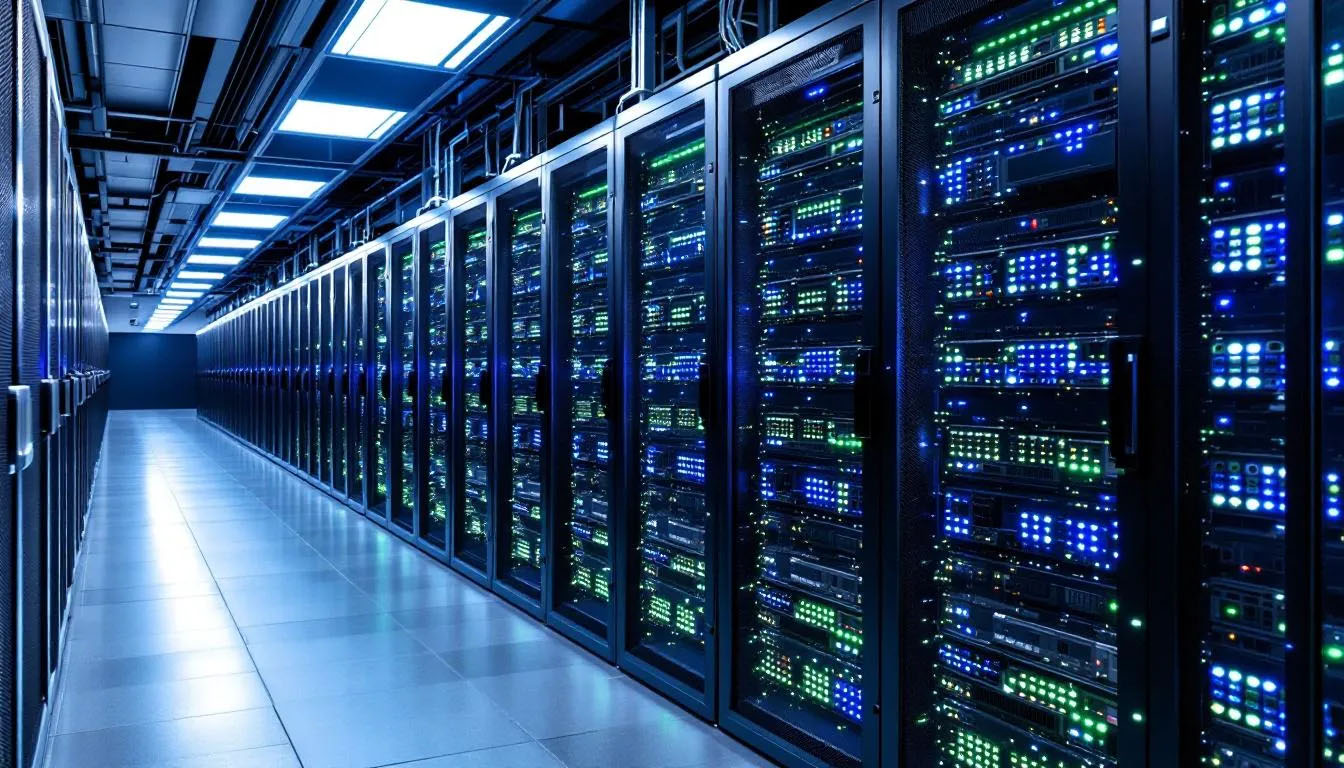
Mobile phone calls go through data centers. Email goes through data centers. Netflix, Disney+, YouTube, Spotify, Facebook, Google, Amazon, your bank, your credit cards, your doctor’s office, your insurance company, your utility company – they’re all dependent on data centers. Even your CAR is reporting your speed, braking, radio usage, A/C temperatures, gas fill-ups, and power window usage (whether I like it or not) – and ALL of that data is being sent to…… data centers!

Even if you’re old-school and write a paper check, that check gets scanned, digitized, processed, recorded, and stored by computers. Somewhere. In a data center.
And with “Ai”, cloud computing, streaming, connected vehicles, e-commerce, and basically EVERYTHING becoming more dependent on technology (unless you’re Grizzly Adams) we’re going to need MORE data centers, not less.
The vocal majority needs to a) go move in with Grizzly Adams, or b) learn how technology works – and NOT from a politician or someone with a cow ring in their nose. Ask the geeks to explain how a paper check becomes digital, or how a mobile phone uses the internet.
Ultimately, a more useful question is: How do we build data centers in a way that actually benefits the communities where they’re located? And THAT brings me back to nuclear power.
BYONP (Bring Your Own Nuclear Plant)
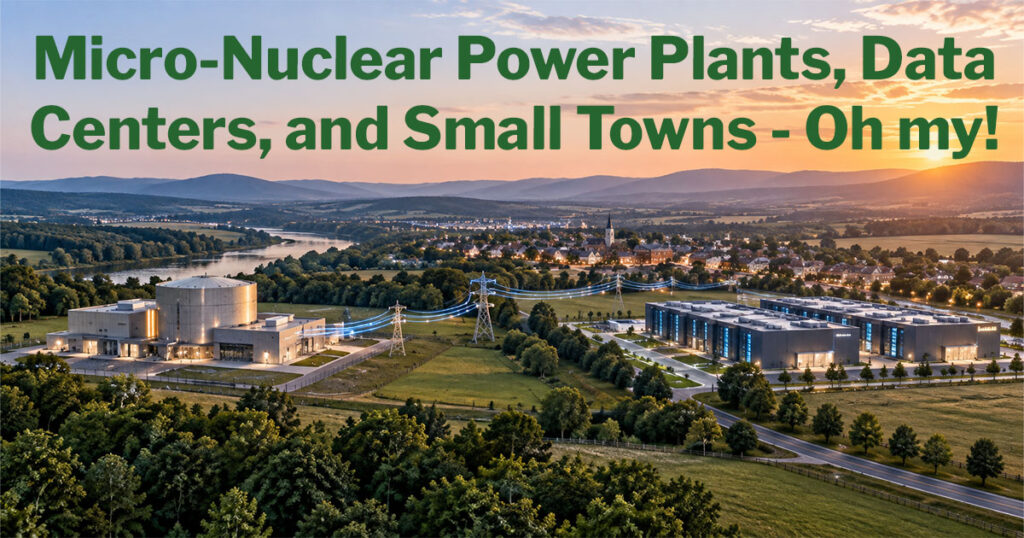
If a gigantic (or small) data center company wanted to build a facility in my little town in the middle of Missouri, and if I were the one in charge, I’d welcome them – with a caveat: Bring your own power plant.
More specifically, build a small modular nuclear reactor, or one of the newer microreactor designs capable of supplying the enormous amount of continuous electricity to your data center… AND supply our town with electricity for free. I’ll happily give you free land and no property taxes for 30 years – as long as your micro-nuclear plant feeds us all the electricity we need. And not at a discount – FREE.
If you’re going to build a power plant big enough to operate a massive data center 24 hours a day, design the project with enough additional capacity to power the community hosting it.
Imagine how many towns would be holding rallies for those companies to build there? Think about how much money a city government, school district, library, fire department, water plant, wastewater plant, community center, and other public facilities spend on electricity every year. Now, imagine moving those dollars over to building better roads, or better schools if you’re the city government… even better, what about EVERY person living in that town? What could you do with the money you normally spent on electricity? Add on to the house? Buy a nice car? A better computer? A bigger TV? More rose bushes? More paints and canvas?
Instead of arguing only about how much electricity the data center will USE, the conversation suddenly changes to how much electricity the project could PRODUCE.
Why Nuclear?
Solar is fascinating technology. So is wind. And even more interesting is wave power. Even Elon Musk and Tesla have been pushing the idea of ‘distributed solar power generation for years’ – solar roofs combined with Powerwall batteries that store electricity so your house can continue operating when the wind turbines and solar panels aren’t producing power. That’s interesting technology, and there’s absolutely a place for it. But personally, I’d rather have a wire coming into my house that supplies reliable electricity whenever I need it. Rain or shine. Wind or no wind. Day or night. August or January. 24 hours a day, 365 days a year.
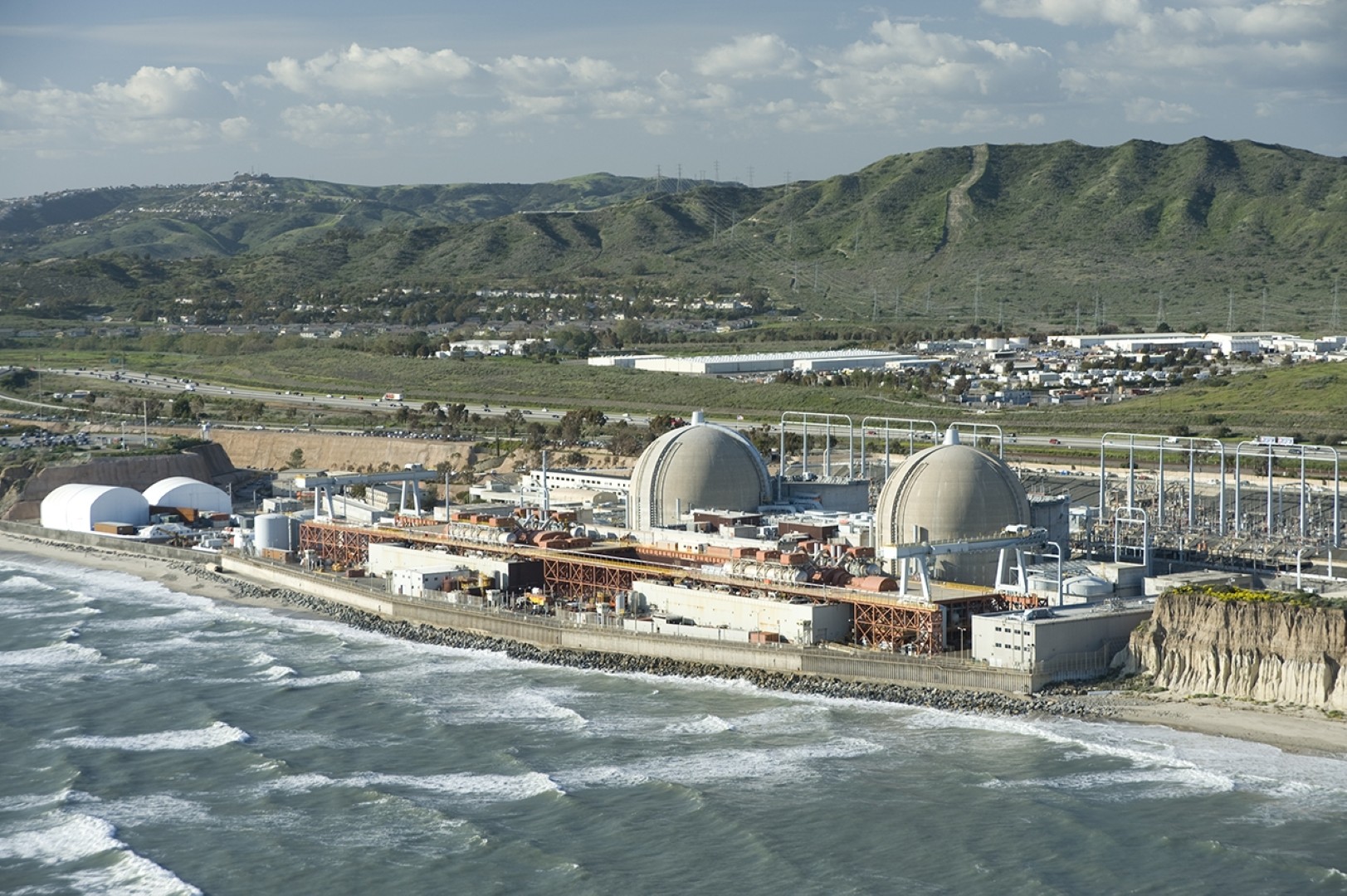
Nuclear does that. Continuous, high-output power generation, that lasts for decades.
Wind and solar are OBVIOUSLY intermittent. That doesn’t make them useless, just less useful. It also means the electrical system has to make up for the times when it isn’t working – by storing the power. ANOTHER system to build and maintain.
Nuclear plants just run. Yeah, historically nuclear power has had a huge upfront construction cost – but that’s with 50+ year old technology. As the tech has gotten better, the new plants have cut costs by A LOT. And not only that, once a nuclear plant is operating, the amount of energy generated continuously from a relatively small physical footprint – and a pretty small amount of fuel is INCREDIBLE!!
That’s why I’m so interested in the new generation of small reactors and microreactors. Instead of building another gigantic traditional nuclear plant that takes a decade or more, and billions of dollars, the idea is to build much smaller, standardized reactors that could eventually be manufactured more like industrial equipment instead of one-off mega construction projects.
I’m hoping that data centers become one of the things that finally pushes nuclear power forward.
The Opportunity for Small Towns
Sooner than later, data center operators are going to stop fighting communities and utilities and regulators and grid operators, and they’re just going to generate their own power right on their own land. As a citizen, I’d rather be using their power for free, than paying for our antiquated system.
Remember – these are industrial facilities capable of PRODUCING enormous amounts of electricity. That’s something small towns should be thinking about.
Small towns already spend HUGE amounts of time and money chasing economic development. They offer tax abatements, free land, infrastructure improvements, grants, loans, tax districts, and practically anything else they can think of to convince businesses to locate there – but what do you get in return? Not always what you really want… but it sounds good to start with. And, it creates a lot of government waste / jobs.
So if you’re gonna bring a multi-million / billion-dollar data center to town, bring servers – AND the power generation too.