TLDR: Social platforms should be used to amplify your presence, not define it. When you own your domain and your content, you’re no longer at the mercy of arbitrary censorship. You’re building your brand, and something that can last.
For many people / content creators and businesses today, they think “social media” IS the internet. They are mistaken. They think facebook pages replace websites, and instagram profiles are portfolios. LinkedIn acts as resume (now with more spam than ever before.) People and businesses put almost all of their content on platforms owned and controlled by other companies. This may seem convenient, but it’s incredibly risky. When you don’t own the platform that hosts your content, you don’t own your content at all.
Social platforms can and regularly do, ban / shadow ban, block and remove accounts, pages, and entire online presences with little or no warning – and even if you beg or scream, they don’t care. You’re just one in a million users who they control, and removing your content – or just making it invisible – has absolutely no impact on them. They’ll still make billions in advertising on other content. Which also means they have absolutely no incentive to help you unblock or recover your account and content. You’re at their mercy – and they almost never have any mercy. And even if the platform isn’t the one who kills your account, but a hacker gets in – you’re still just an ant in the desert, and the platforms have no reason to help you.
Sometimes the platforms block your content and say it’s due to obscure or nonsensical ‘policy violations.’ Other times they blame ‘automated moderation errors’ or the bogus and ever-popular “community standards” platitude. More likely, you just posted something they don’t agree with politically, or they’re serving higher masters who don’t want your message to get out. Appeals are often pointless, slow, and ignored altogether. And they know this. But – they also know you and others are addicted to their algorithms, so you’ll go right back once you set up a new page. When your primary online presence exists only on these platforms, losing access means losing your audience, your history, your work, and sometimes your livelihood. STOP doing this!
This is why OWNING your own online content is not optional – it’s essential.
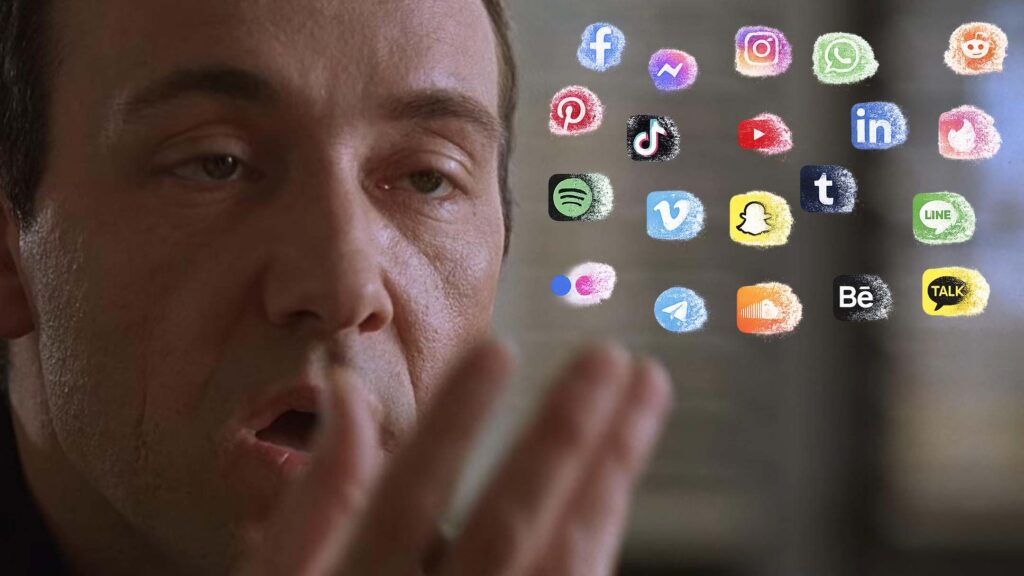
Platforms like facebook, instagram, youtube, pinterest, reddit, LinkedIn, and pretty much every social platform OTHER than X are not to be trusted. At all. They are private companies who have and do make up internal rules they can change overnight – even if it’s just to block you. And when you’ve been sucked into their monetization models, you’re in even more trouble if they suddenly don’t like what you have to say on their platform. And you can do nothing about it.
This is not hypothetical. It happens constantly. Innocent accounts are taken down every day. This article about a simple 80s tribute band who had a facebook page for 18 years, had tens-of-thousands of followers – then facebook applied some moronic rule and locked their page. And just like that – poof – it’s gone.
If you or your business primarily posts on someone else’s platform – or if it’s the ONLY place you post YOUR content, and even worse, if it’s the only place people can find you, the consequences are severe. Years of content vanish instantly. Followers can’t reach you. Search results disappear. You’re erased… from existence. And it’s completely your fault.
Your website is the only platform YOU control. And luckily, the internet is designed for the people – not the government or business. Even if your ISP (Internet Service Provider) blocks you, thankfully there’s Elon Musk’s Starlink – who, like X, believes in free speech and almost no censorship.
So… USE the social media platforms the way they are using you. Use them as portals, not foundations. Use them for discovery, conversation, and distribution. Use them as a funnel to send people to your website – where you publish your content FIRST. Then you post links to your content on their platforms (along with some teaser text.) Simply put: your website is the hub and social platforms are spokes. You retain meaningful control of your content. You decide what’s published and how it’s presented. You control the domain name. The structure. The navigation, and ultimately, the long-term availability of your work.
For video hosting sites, make sure you keep the original video file after you upload it. Then, after you’ve uploaded it to their site, embed their video on your website, so you still get monetization – but when they demonetize you, you can still host the video on your website.
As long as you have good backups – stored safely, and under your control – you own your own content. Forever. No matter what social platform use to promote your website, you can’t get locked out. You can re-use, re-post, and re-publish your content easily, and any time. If a hosting provider terminates your service, you move your site elsewhere. You simply cannot do this on their social media platforms.
Trust is another critical factor. Especially platforms like facebook and instagram who have repeatedly demonstrated their willingness to suppress and remove content they don’t like, whether it’s political speech, controversial topics, or just anything that triggers them. While X (formerly Twitter) takes a more American approach to free speech, you still don’t know what will happen with them in the future. So just make sure you own your website.
Oh – and another benefit of having your content on your website? It compounds over time. Search engines index it. Links build authority. Older articles can still be found easily, even years later. It becomes a reference you can organize, update, and reuse – not a fleeting update that serves the social platform who’s taking advantage of you. This is why it’s so important for creators, writers, educators, and businesses to keep and maintain their own websites. Because then they control their content. (Broken record, right? It’s IMPORTANT!)